ABOUT
Expertise dedicated to medical device usability
Usarea supports medical device manufacturers in their usability processes, from strategy to user evaluations, in line with IEC 62366-1, ISO 14971, the MDR (EU 2017/745), the IVDR (EU 2017/746) and FDA Human Factors expectations.
I created Usarea to help teams build processes that are clear, proportionate and defensible, without turning usability into a documentation factory.
10+ years
of experience in medical device usability
50+ manufacturers
supported throughout my career
2,000+ user tests
conducted or analysed
CE · MDR · IVDR · FDA
processes tailored to European and American requirements
MY BACKGROUND
My background in medical device usability
Passionate about the medical field for as long as I can remember, I have spent over 10 years helping medical device manufacturers understand, evaluate and document real-world use.
Throughout my career, I have worked on a wide range of devices and use contexts: medical software, connected devices, hospital devices, home-use devices, implantable or interventional devices, medical imaging, in vitro diagnostics, ophthalmic products, dental devices, professional interfaces, package leaflets, training materials and instructions for use.
I have supported usability processes at different levels of maturity: strategic scoping, use specification, use-related risk analysis, formative evaluations, summative evaluations, UOUP files, FDA Human Factors validations, IEC 62366-1 training and updates to existing files.
This hands-on experience feeds my approach: connecting user observations, use-related risks, applicable requirements and the choices to be documented in the file.
MY VISION
Usability shouldn't be treated as a simple regulatory box to tick at the end of a project.
Done well, it's a process of design, risk management and evidence. It makes it possible to understand how users actually interact with a device, identify difficulties of use, analyse their causes, and document the decisions made throughout development.
A user evaluation therefore isn't just about producing a report: it should help us understand what happened, what the results mean, and how they fit into the file. That's the logic I bring to Usarea.
MY PRINCIPLES
My guiding principles
Every engagement is built around the same requirement: apply the right level of rigour, produce usable deliverables, and enable teams to defend their process.
Regulatory rigour
I help manufacturers connect the requirements of IEC 62366-1, ISO 14971, the MDR (EU 2017/745), the IVDR (EU 2017/746) and FDA Human Factors, to build a process that is consistent between real-world use, use-related risks, user evaluations and file deliverables. Regulatory rigour isn't just about citing the right standards - it's about applying them to the real context of the device, its users and its use environment.
Proportionality
Not every usability process needs the same level of formalisation. A formative evaluation, a summative evaluation, a file audit or a post-market analysis don't serve the same objectives. My role is to help teams apply the right level of rigour: solid enough to be defensible, pragmatic enough to remain useful to the project. The goal is to get it right.
Hands-on experience
Usability isn't just about documents. It also rests on what actually happens during evaluations: unexpected behaviours, use errors, hesitations, workarounds, misunderstandings, training limitations or environment-related difficulties. My hands-on experience lets me analyse these situations with nuance, without downplaying or overdramatising the results.
Defensibility
A good usability deliverable must be clear, traceable and detailed enough to be understood, reused and defended. Teams should be able to explain why methodological choices were made, how users were selected, why scenarios are representative, what the results mean, and how conclusions connect to use-related risks.
A SENIOR PRACTICE
With Usarea, senior expertise isn't only present at the scoping stage - it's mobilised on the steps that truly shape the quality of the file.
Usarea is a practice specialised in medical device usability.
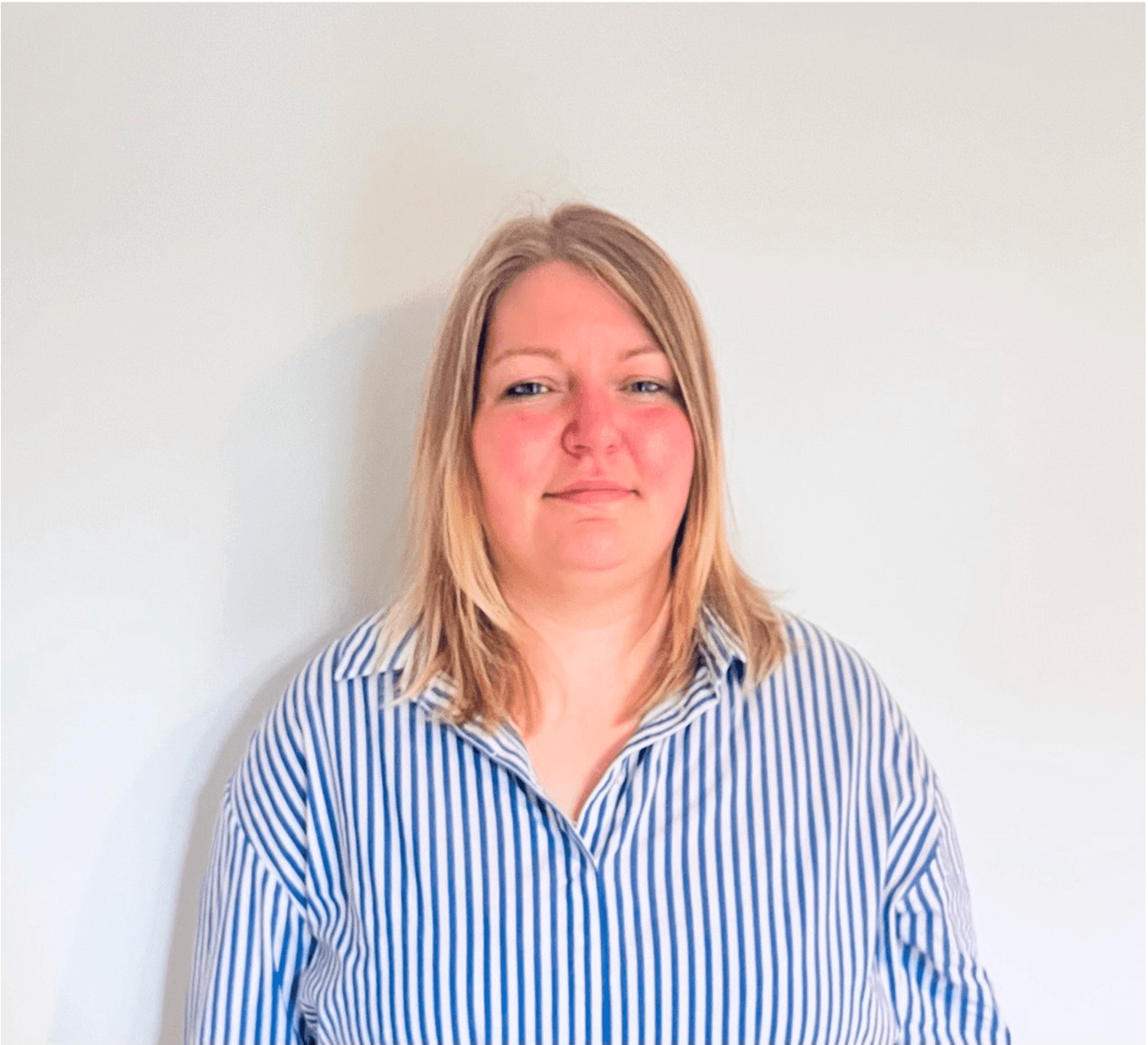
Engagements are led directly by Amandine Broussier on the highest-value steps: scoping, evaluation strategy, use-related risk analysis, protocol, conducting or supervising sessions, analysis, interpretation of results and regulatory conclusions.
You know exactly who is working on your file, with what level of experience, and following what methodological approach. This direct involvement enables precise, responsive and consistent support, from the first scoping questions through to the deliverables included in the regulatory file.

My quality management system is certified ISO 9001:2015 by SOCOTEC Certification France, covering my consulting activities in medical device usability, user research, digital interface and document design, and MA studies.
WHAT YOU CAN EXPECT
What you can expect from Usarea
Clear guidance
I take the time to explain the logic of the process, the methodological choices and the points to defend, so teams never feel like they're simply enduring their usability file.
Usable deliverables
Deliverables are designed to be included in the regulatory file, but also to be understood by project teams: Regulatory Affairs, Quality, R&D, Clinical, Product or Management.
An honest approach
User results should never be dressed up or over-interpreted. An error, a difficulty or an unexpected behaviour must be analysed, put in context and connected to use-related risks before drawing any conclusions.
Expertise that stays directly engaged
Senior expertise isn't only present when the commercial scope is set. It's mobilised on the steps that truly shape the quality of the file: methodology, protocol, analysis, interpretation and conclusions.
Let's talk about your project
Do you need to scope a usability process, prepare a summative evaluation, audit an existing file, or train your teams in IEC 62366-1?
Let's discuss your project