
EXPERT USABILITY CONSULTANT (IEC 62366) FOR MEDICAL DEVICES
Develop a safe, intuitive medical device that complies with IEC 62366, for CE marking and FDA submissions
At every stage of the usability engineering process, I help you secure your medical device, strengthen your MDR 2017/745 and IVDR 2017/746 files, and design interfaces built around your users.
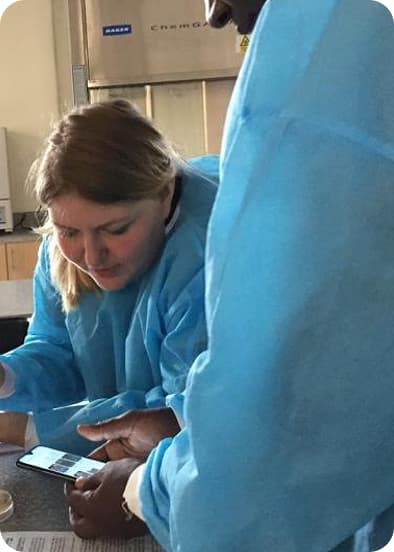
They trust me





MY CONVICTION
Compliance should never create unnecessary complexity.
A solid process isn't one that piles up deliverables. It's one that clearly connects users, use-related risks, design choices and the evidence produced.
My role is to help you build that consistency, taking into account your device, its maturity and your regulatory constraints.
Stepping in at the right level: neither under-scoping the process, nor unnecessarily weighing down the project.
Understand before acting
The context and what already exists are analysed before defining the useful actions.
Make choices clear
Every decision must be understandable, traceable and defensible.
Stay proportionate
The method adapts to the project, without compromising on critical points.
SERVICES
Support at every key stage
From initial scoping to building the file, the engagement adapts to what's already available and to your project's maturity.
Usability
Usability
I support you through the entire usability engineering process for your medical device, ensuring consistency with CE and FDA requirements while enabling an intuitive, safe user experience.
Discover my usability servicesStrategy
Scope the right approach before taking action, and prioritise the deliverables that truly matter.
DiscoverIEC 62366-1 Audit
Assess the compliance and robustness of an existing file, with prioritised recommendations.
DiscoverMarketing Authorisation (MA)
I support you in preparing and conducting readability and usability studies to obtain marketing authorisation for your medicines.
DiscoverENGAGEMENT FORMATS
Three engagement formats based on your internal resources
You can keep full control of your file, delegate an entire mission, or split the tasks. The format is defined based on your in-house skills, your timeline and what's already available.
Advisory & oversight
You have an in-house team and want to challenge your methodological choices or get support on sensitive steps.
I help you scope, challenge and prioritise.
Ideal if…
…you want to build internal skills, keep control of your file and validate the critical points of your process.
Full delivery
You want to delegate an entire mission or step: audit, protocol, user tests, analysis, report, usability file or MA study.
I take charge of the expected deliverables, with a clear, documented methodology.
Ideal if…
…you're short on time, internal resources or specific usability expertise.
Hybrid format
You already have internal resources but need expert reinforcement on certain sensitive points: strategy, use-related risk analysis, methodology, results interpretation or file preparation.
I step in where an experienced perspective adds the most value.
Ideal if…
…you want to split the tasks while reinforcing the most critical steps.
SCOPE
All classes of medical devices (MD) & all types of health products
From Class I to Class III under the MDR (EU 2017/745), from A to D under the IVDR (EU 2017/746), as well as other health and innovation-related products, regulated or not. Whether it's a physical product, software, a medicine or an accompanying document, I adapt my expertise to your needs.
Physical product
MD, implantable medical device
Application & software
Digital medical device (SaMD), digital interface
Medicine (MA)
Medicine, package leaflet & administration device
In vitro diagnostic medical device
IVD
Accompanying document
Package leaflet, IFU, quick start guide, illustrations
Training material
Presentations, eLearning
They trust me
What they remember about working together
I highly recommend Amandine for her support on usability processes. Her responsiveness, quick grasp of our products and their challenges, and her ability to adapt to our existing manufacturer documentation are real strengths. She knows how to fit effectively into an already structured environment while bringing real added value to the process. The quality of the documentation produced also deserves mention: the deliverables are clear, well-structured and of high quality. Amandine is a reliable, professional and efficient provider, whom I recommend without hesitation.
IEC 62366-1 Training
Understand the process. Know how to implement it.
Training built from real-world situations, connecting regulatory requirements to project decisions.
PASSING ON THE METHOD
Help your teams build new skills
One day to acquire the fundamentals, two days to explore the entire process in depth, or a focused workshop to prepare a summative evaluation.
Usability, IEC 62366, UX design, drug marketing authorisation…
Discover my latest articles!

Aptitude à l'utilisation · 5 OCTOBRE 2026
Tests utilisateurs en dyade : quand, pourquoi et surtout quand ne pas les utiliser
Read the article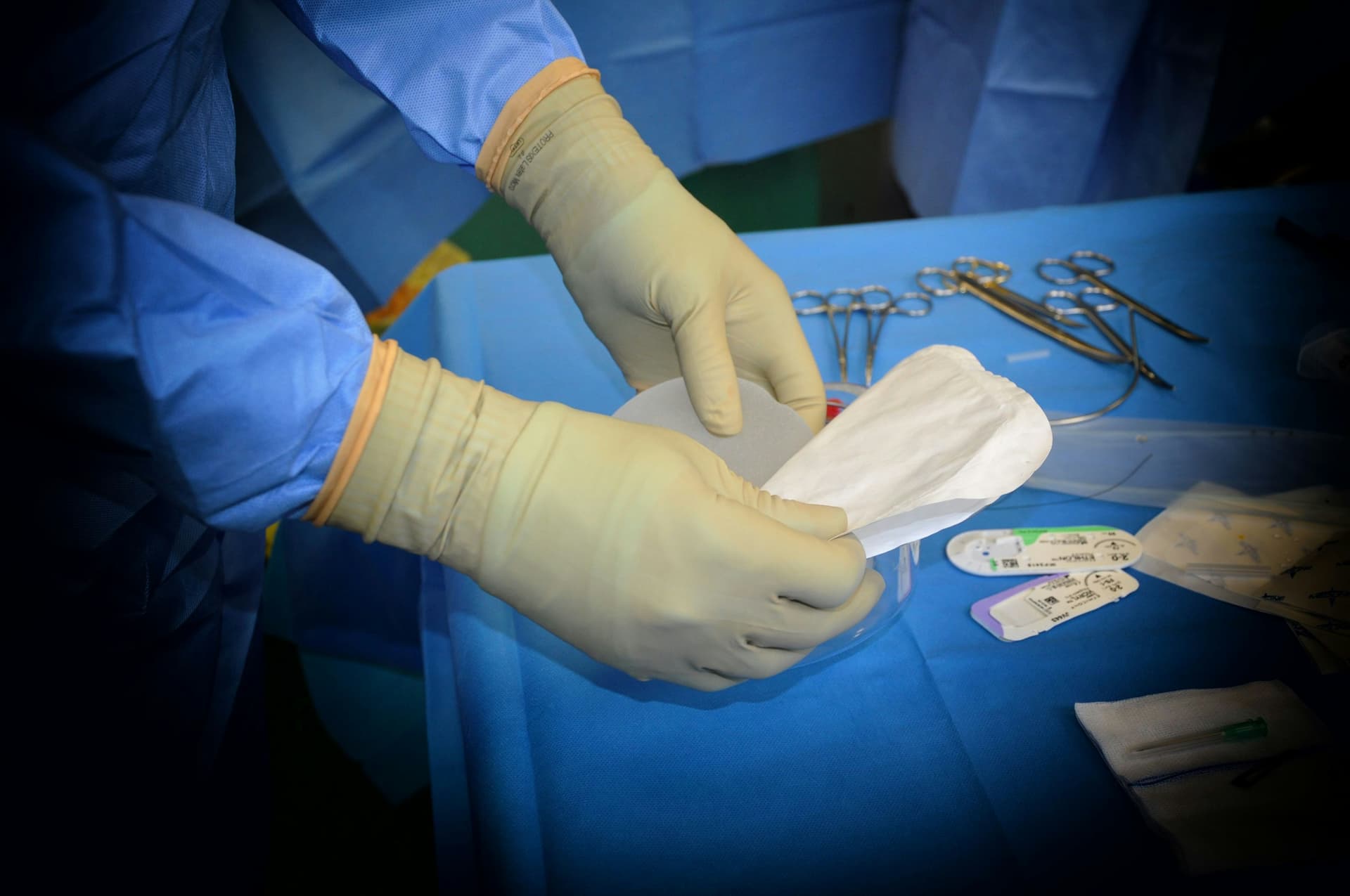
Aptitude à l'utilisation · 04 SEPTEMBRE 2026
ISO 11607-1, chapitre 7 : évaluer l'aptitude à l'utilisation de la présentation aseptique
Read the article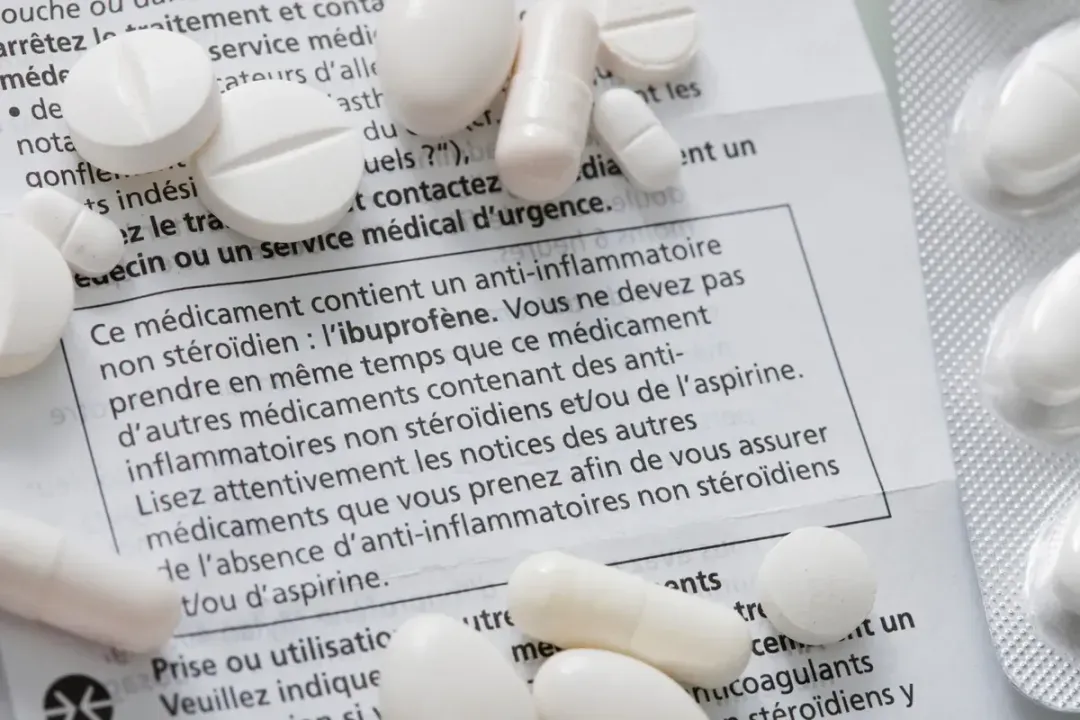
AMM · 25 SEPTEMBRE 2026
Étude de lisibilité de la notice : exigences AMM et méthodologie
Read the articleMy webinars & short formats
Learn more about usability and IEC 62366, in under a minute or in depth.
Watch my videosMy podcast
I break down the key points of IEC 62366-1, human factors and medical device regulation, with occasional conversations with MedTech professionals.
Listen to my podcastSubscribe to my newsletter!
Every month, get the latest regulatory news in usability and ergonomics, my tips and best practices, plus guides and tools to stay up to date and save time on your projects.
A question or a project?
Write to me - I'll take the time to guide you and show you how to secure and improve your product.
Contact me